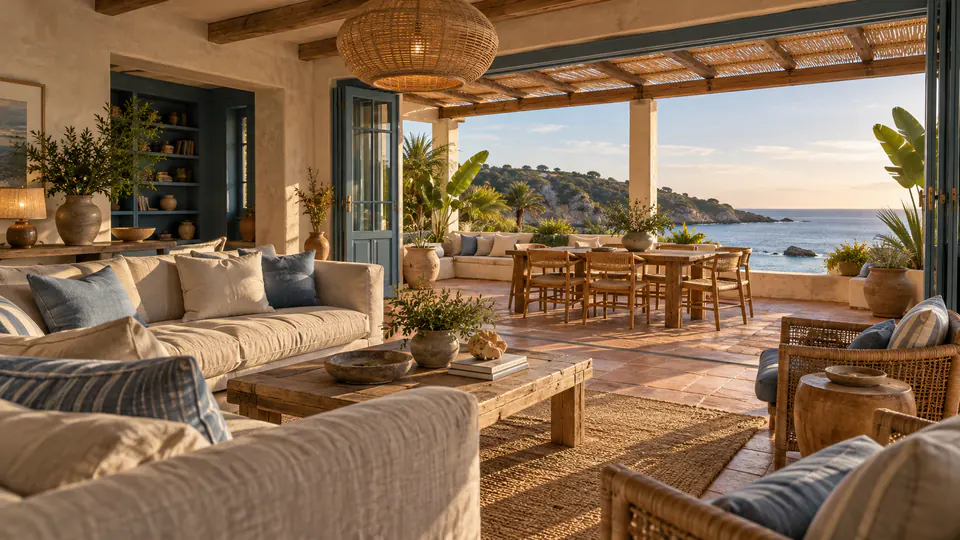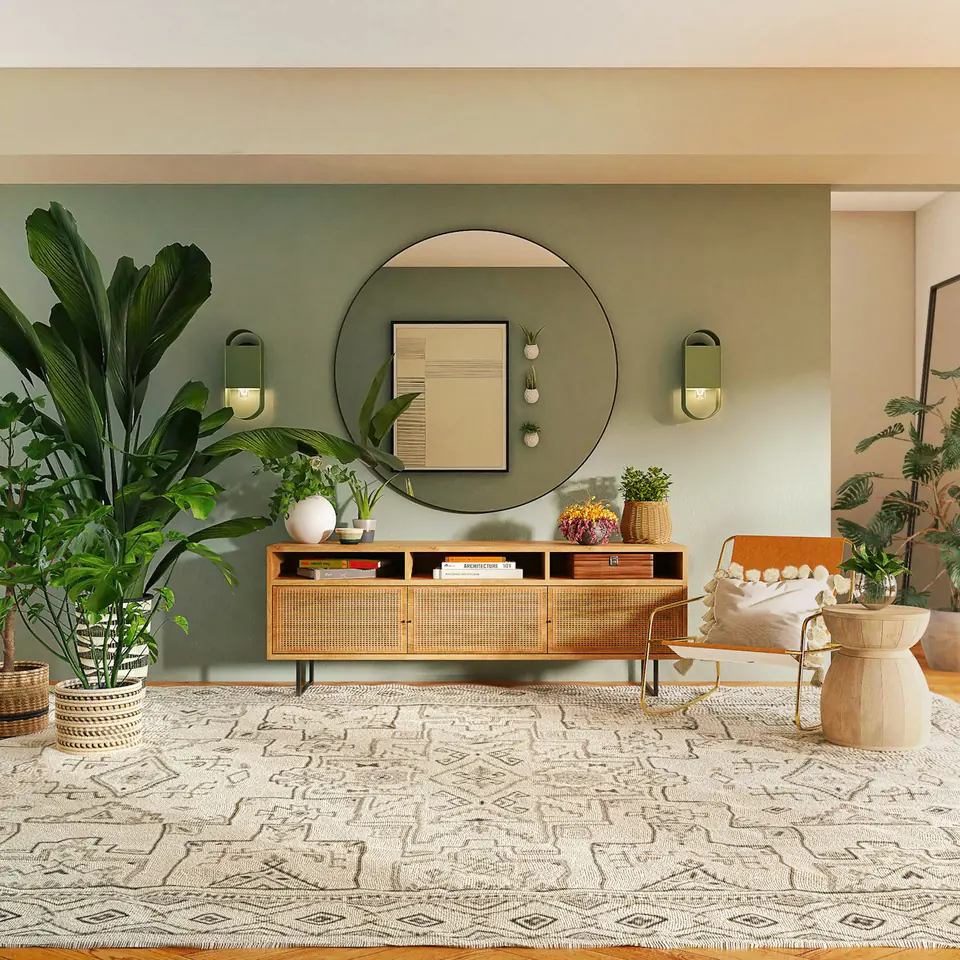
We encounter materials first with our eyes, but we come to know them through use. The edge of a table under a hand. The floor beneath bare feet. A handle reached for hundreds of times. These encounters are a large part of the experience of a space.
When developing a palette, we look at relationships rather than isolated samples. A cool stone can make warm timber feel warmer. A finely woven textile can soften the appearance of a hard surface. The most satisfying combinations often have enough difference to be legible and enough restraint to feel connected.
Time belongs in that conversation too. Some finishes are intended to stay uniform; others change visibly with contact and light. Neither approach is automatically right. The useful question is whether the owner will enjoy the material as it changes, and whether its care fits their daily life.
A thoughtful palette is not a list of precious ingredients.
A RUMA perspective
We prefer to review samples at a useful scale, under the light they are likely to encounter. A small square can conceal variation that becomes obvious across a whole wall or floor. Seeing materials together can reveal undertones, texture and reflection that a screen cannot reliably show.
A thoughtful palette is not a list of precious ingredients. It is a set of decisions about touch, maintenance and atmosphere. The goal is a space whose character becomes more familiar with use, and whose materials remain a pleasure to be around.