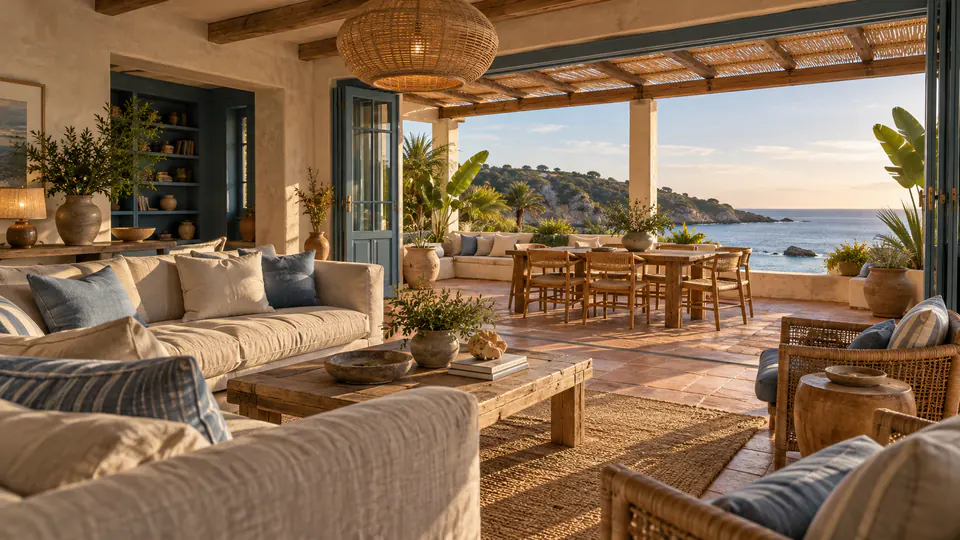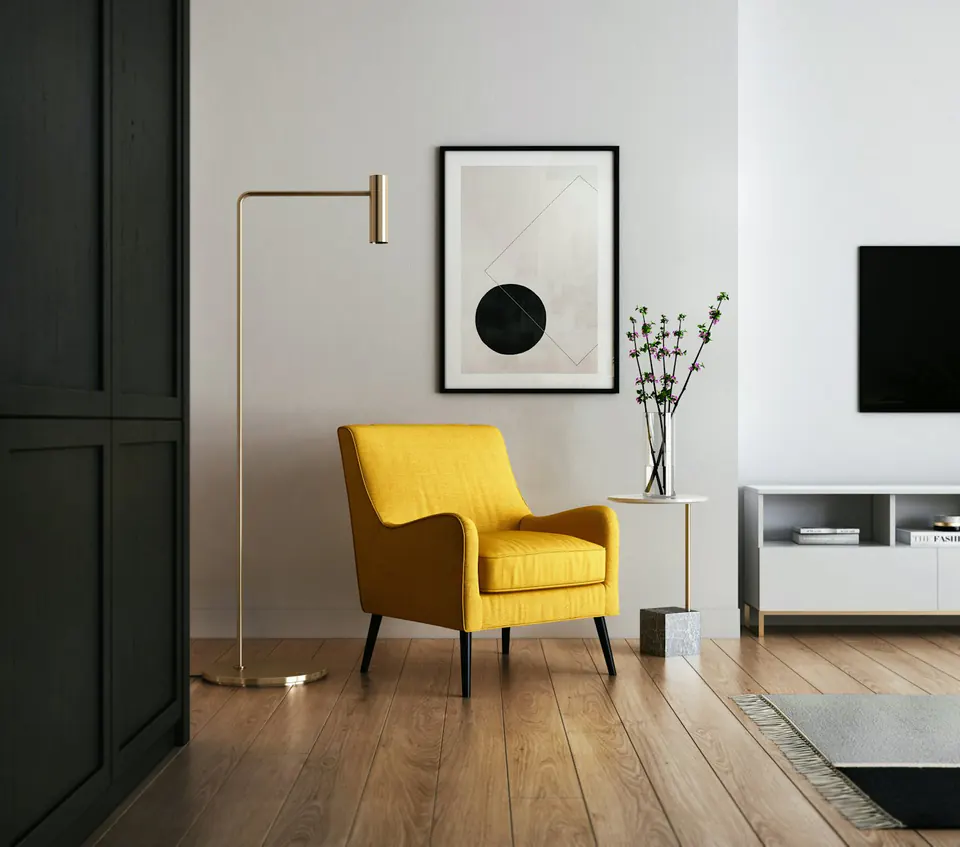
A room rarely asks for more on the first day. More often, it asks for time. Time to notice where the morning light lands, which chair someone chooses, or where a bag is set down at the end of the day. These small observations can be a more useful beginning than a long shopping list.
In our concept work, we think of empty space as something with a purpose. A clear route allows a room to feel generous. A little distance around a beautiful object lets its shape become visible. An unfilled wall can hold the light without needing to hold anything else.
Leaving room is not a matter of following a minimalist rule. Different lives need different kinds of fullness. The question is whether each addition gives something useful back: comfort, memory, function, or pleasure. A space can be rich in character without becoming difficult to inhabit.
A space can be rich in character without becoming difficult to inhabit.
A RUMA perspective
We often start a furniture study with the pieces a person already values. Their scale and position suggest what comes next. By working slowly, the final arrangement develops a relationship with everyday habits, rather than simply resembling a picture.
A well-considered room does not need to explain every corner. It can leave a few places undecided. Life will find a use for them, and that is part of what makes a space feel like home.